10 Easy Ways to Save Money on Food Without Sacrificing Flavor
Hi friends! Let’s talk about something we all want more of—savings! Grocery shopping can feel like a runaway train for your budget, but it doesn’t have to. With just a few small changes, you can save money on food without giving up the delicious meals you love. Whether you’re feeding a family or just trying to stretch your paycheck, these tips are here to help.

So, grab a cup of coffee, and let’s dive into 10 super simple ways to trim your food budget without sacrificing flavor or fun.
1. Make a Weekly Meal Plan
Planning saves time and money. Jot down meals for the week and stick to it.
This is your first step toward food budgeting success. Set aside 30 minutes each week to map out your meals. Not only will this help you avoid impulse buys, but it also takes the guesswork out of daily dinnertime decisions.
How to Start:
- Begin with a theme for each day (e.g., Meatless Monday, Taco Tuesday) to make planning easier.
- Check your pantry and freezer before planning to use up items you already have.
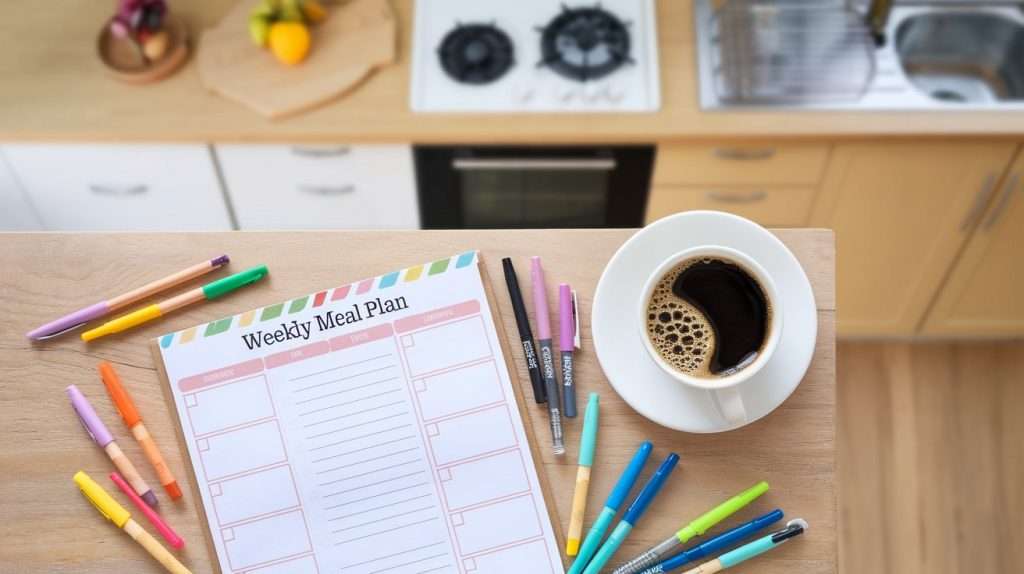
Tools: Free printables, meal planning apps like Mealtime, or a simple notebook.
2. Stick to a Grocery List
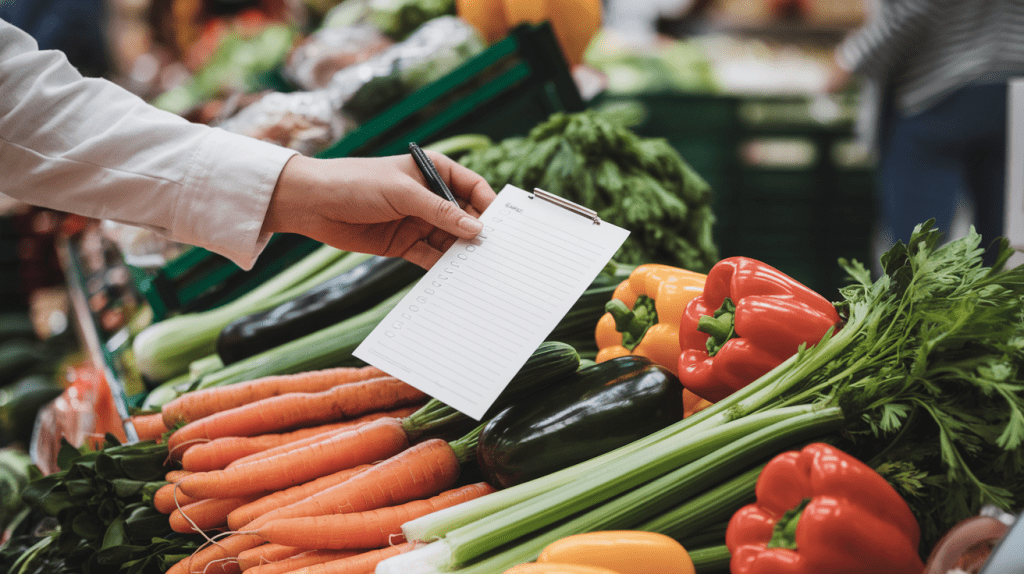
Once you’ve planned your meals, create a detailed grocery list and stick to it. This will keep you focused and prevent unnecessary purchases.
Pro Tips:
- Organize your list by store sections (produce, dairy, etc.) to streamline your shopping trip.
- Set a challenge for yourself: Only buy what’s on the list—no exceptions!
3. Shop Sales and Stock Up
Sales are your best friend when it comes to saving money. Check weekly flyers or store apps for discounts on items you regularly use. When you find a great deal on non-perishables or freezer-friendly foods, stock up!
How to Maximize Savings:
- Pair sales with coupons for extra discounts.
- Keep an eye out for bulk deals on staples like rice, pasta, and canned goods.
Tools: Websites like Flipp or store loyalty apps.
4. Try Generic Brands
Generic or store-brand items often taste just as good as name brands but cost significantly less. Start with a few basics like cereal, pasta, or canned goods to see the savings roll in.
Why It Works:
- Many generic brands are made by the same manufacturers as name brands.
- You’re paying less for packaging, not quality.
Pro Tip: Experiment with one or two generic items each shopping trip. You might discover new favorites! Amazon Fresh has same day delivery and you don’t have to leave the house!
5. Skip Pre-Packaged Items
Pre-cut fruits, salad kits, and single-serve snacks may save time, but they’re significantly more expensive. Instead, buy whole produce and bulk snacks to save money and reduce waste.
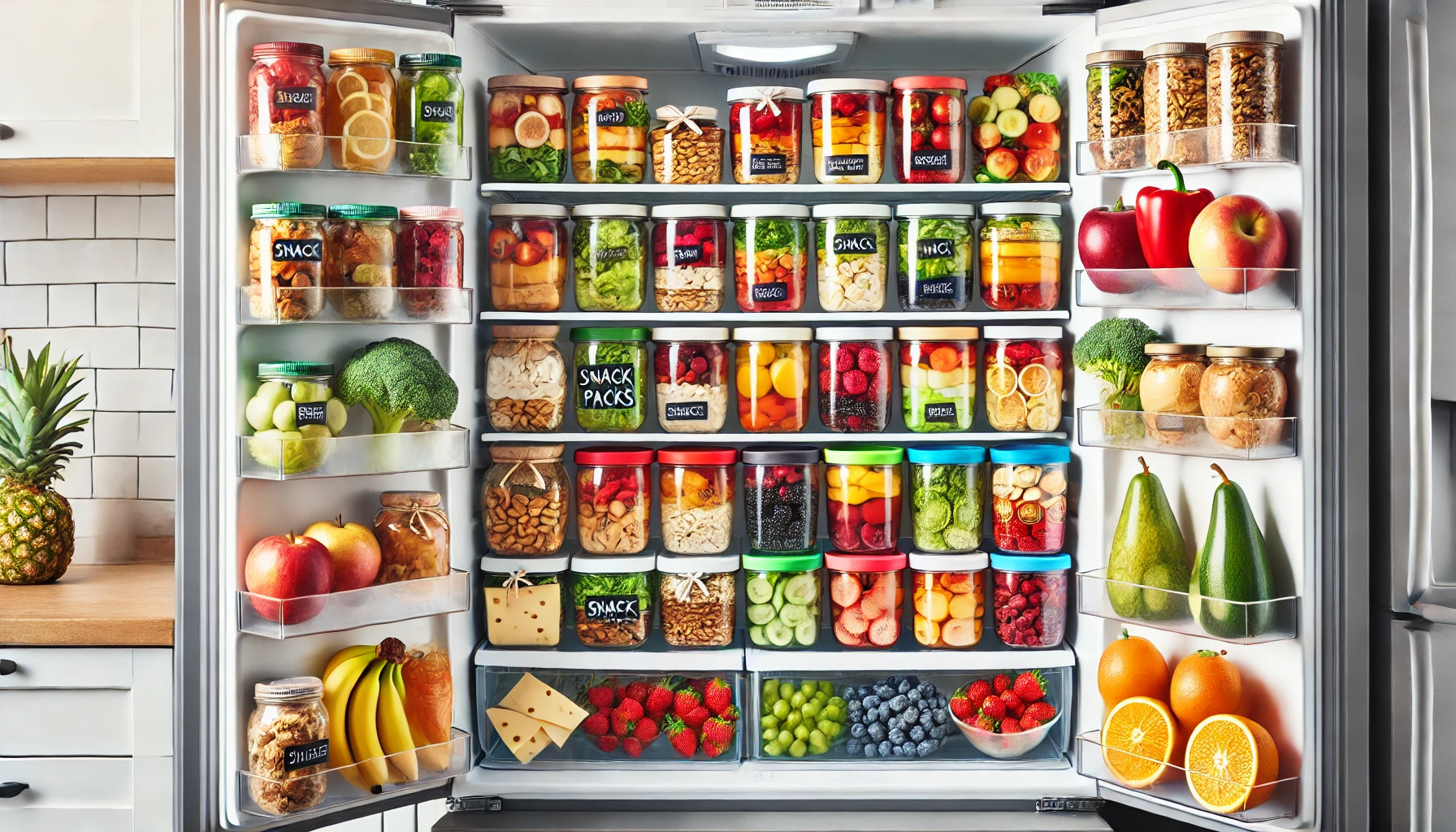
DIY Snack Hacks:
- Buy a block of cheese and slice it yourself instead of buying pre-sliced cheese.
- Portion bulk snacks like nuts or dried fruit into reusable containers for easy grab-and-go options.
Tools: Use mason jars or eco-friendly storage bags for DIY convenience.
6. Cook at Home More Often
Eating out or ordering takeout might be tempting, but it’s a budget buster. Cooking at home doesn’t have to be complicated, and it gives you total control over your ingredients and spending.
Easy Ways to Start:
- Choose simple recipes with minimal ingredients.
- Batch cook meals like soups or casseroles to save time during the week.
Pro Tip: Check out YouTube or Pinterest for beginner-friendly recipes.
7. Embrace Meatless Meals

Meat can be one of the most expensive items on your grocery list. By incorporating plant-based meals into your week, you’ll save money and try something new! Half of my family is vegetarian (fun fact: it’s me!) so this is my favorite budget friendly option.
Budget-Friendly Protein Alternatives:
- Lentils, beans, and chickpeas.
- Eggs, tofu, or tempeh.
Tools: Use cookbooks or blogs focused on vegetarian cooking for inspiration.
8. Avoid Food Waste
Did you know the average household wastes over $1,500 worth of food each year? Combat this by organizing your fridge and using up leftovers creatively.
Waste-Reducing Tips:
- Freeze excess produce before it goes bad for smoothies or soups.
- Keep a “use first” bin in your fridge for items nearing their expiration dates.
Tools: Apps like Too Good To Go or Olio help rescue surplus food at a discount.
9. Shop Seasonal Produce
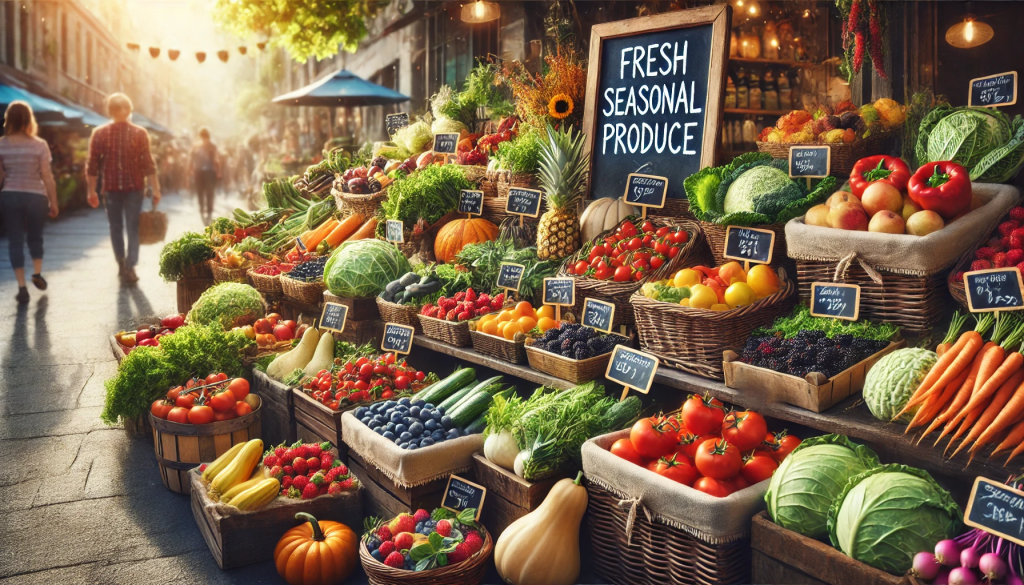
Seasonal fruits and veggies are not only cheaper but also fresher and more flavorful. Get to know what’s in season and adjust your meals accordingly. Plus, shopping seasonally supports local farmers and reduces your carbon footprint.
Additional Tips to Maximize Savings and Flavor:
- Freeze Extra Produce for Later: When seasonal fruits and vegetables are abundant and affordable, buy in bulk and freeze them for later use. For example, freeze berries for smoothies or winter squash for soups.
- Check Your Local Farmers’ Market: Farmers’ markets often have the freshest, most affordable seasonal produce. Plus, you’re supporting local businesses! Visit weekly for the best deals.
- Grow Your Own: If you have the space, growing your own herbs and vegetables can save you money. Even a small herb garden on a windowsill can reduce the cost of ingredients like basil, cilantro, and parsley.
- Embrace Produce Boxes or CSA: Consider joining a Community Supported Agriculture (CSA) program, where you can receive a weekly box of fresh, seasonal produce straight from local farms at a fraction of grocery store prices.
Tools: Seasonal produce charts (available online) to guide your shopping.
10. Use a Grocery Budget Tracker
Tracking your spending is one of the most powerful ways to save money on food. By keeping a close eye on your grocery expenses, you’ll get a better understanding of where your money goes and identify areas where you can cut back. This simple habit can have a big impact on your overall food spending, helping you stay on budget without sacrificing the meals you love.
How to Get Started:
- Set a Monthly Grocery Budget: Before you go shopping, decide how much you want to spend for the entire month. Break it down into weekly or bi-weekly budgets to keep things manageable. This gives you a clear limit and helps you plan your meals more strategically.
- Track Every Purchase: Keep track of each grocery purchase, whether it’s a trip to the store or an online order. Recording everything helps you see exactly where your money is going. You might be surprised by how much those little extras (like snacks or drinks) add up.
- Review and Adjust: At the end of each month, review your spending and assess where you did well and where you can improve. Did you overspend on items you didn’t need? Did you forget to account for sales or discounts? Use this information to adjust your budget for the next month.
Additional Tips for Budget Tracking Success:
- Use Budgeting Apps: There are plenty of free apps that make tracking your grocery budget easy. Apps like Mint, YNAB (You Need A Budget), and EveryDollar help you categorize your expenses and visualize your spending patterns, so you can easily spot areas to cut back.
- Make a Spreadsheet: If you prefer a more hands-on approach, create a simple spreadsheet to track your grocery expenses. You can include columns for each store, purchase date, and the total amount spent. This is a great way to see trends over time and adjust your spending accordingly.
- Look for Patterns: Once you’ve tracked your spending for a few weeks, look for patterns in your shopping habits. Are you frequently buying items that you don’t use? Are there specific categories (like snacks or prepared foods) that are eating up a large portion of your budget? Identifying these patterns can help you make smarter choices moving forward.
- Build in a Buffer for Flexibility: Life happens, and some weeks you might need a little extra room in your grocery budget. Include a small buffer (5–10% of your budget) for unexpected expenses like a special occasion or a sale you can’t resist. Having this cushion can help you stick to your budget without feeling stressed.
Picture this: You’re looking at a simple, organized budget on your phone or computer, feeling proud of the savings you’ve accumulated. Your grocery list is all planned out, and you’re confident that you can keep expenses in check this month.
Tools: Use apps like Mint, YNAB, or even Google Sheets to easily track your spending, or try out budgeting tools like PocketGuard to keep everything in one place.tracking a breeze.
Closing Section
Saving money on food doesn’t have to be complicated or boring. These 10 easy strategies will not only cut your grocery bill but also make meal planning and cooking more enjoyable. Start with one or two tips today, and you’ll be amazed at how quickly the savings add up!
I’d love to hear from you—what are your favorite money-saving food tips? Let’s swap ideas in the comments or on social media. Together, we can save smarter and live better!